
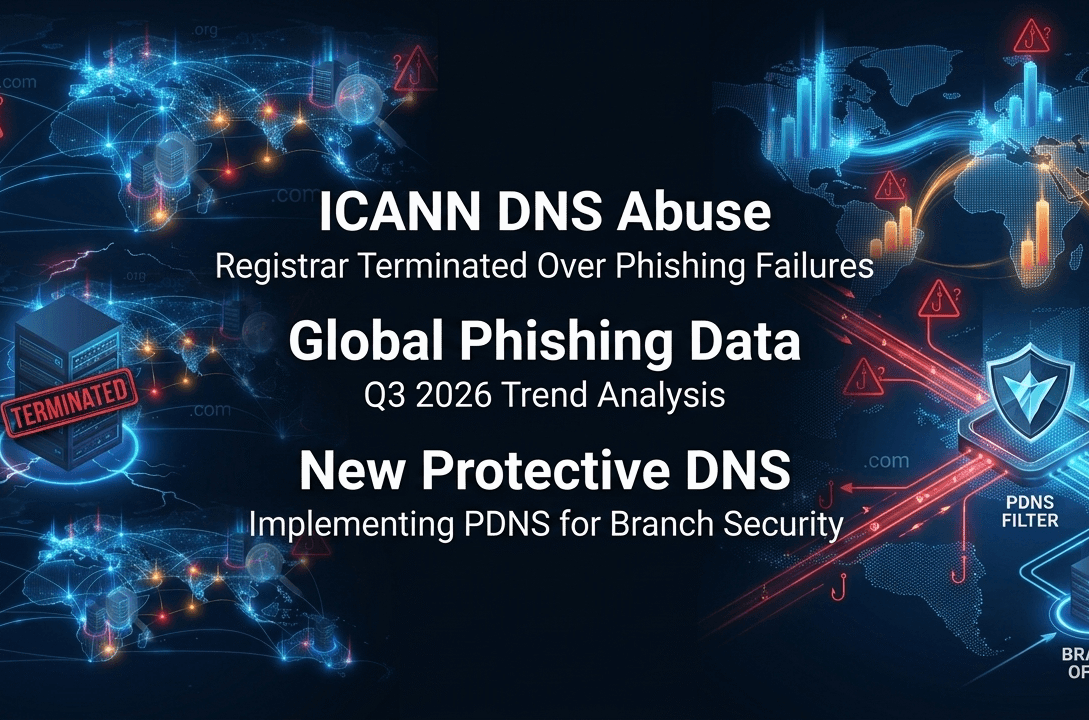
ICANN DNS abuse enforcement is gaining attention after ICANN terminated the accreditation of a domain registrar following concerns about how it handled abuse complaints.
The registrar, Fewmoretaps OU, doing business as TrustName.com, was targeted by ICANN after receiving multiple breach notices related to its handling of domain abuse reports. The action was reported on August 28, 2026.
The case highlights an important issue for the domain industry: registrars have a responsibility to respond appropriately when domains are reported for malicious activities such as phishing and other forms of DNS abuse.
What Happened?
ICANN terminated the registrar accreditation of Fewmoretaps OU, which operates under the TrustName.com name.
According to Domain Name Wire, ICANN had sent the registrar several breach notices regarding its handling of abuse complaints.
The action shows that registrars cannot simply ignore legitimate abuse complaints connected to domains under their management.
Why Did ICANN Take Action?
The central issue was the registrar’s response to abuse reports.
Domain registrars play an important role in the domain-name ecosystem. They provide registration services and operate under ICANN policies and agreements.
When domains are reported for activities such as phishing, malware distribution or other DNS abuse, registrars need processes for receiving and responding to those reports.
Weak abuse-management procedures can allow malicious domains to remain online for longer and potentially expose more users to cyber threats.
This is why ICANN DNS abuse enforcement matters to the wider internet.
What Is DNS Abuse?
DNS abuse refers to harmful activities that use domain names or the Domain Name System as part of malicious activity.
Common examples include:
- Phishing
- Malware distribution
- Botnets
- Pharming
- Fraudulent websites
- Malicious domain registrations
- Domains used to steal credentials
A malicious domain can look like a legitimate website while attempting to steal passwords, payment information or other sensitive data.
For this reason, domain security is closely connected to cybersecurity.
How Phishing Domains Harm Users
Phishing attacks often depend on making a malicious website appear trustworthy.
Attackers may register domains that look similar to banks, technology companies, online stores or government websites.
A fraudulent website may ask visitors to:
- Enter usernames and passwords
- Provide payment information
- Download a file
- Verify an account
- Enter an authentication code
If a malicious domain remains active, attackers may have more time to target potential victims.
Fast abuse reporting and appropriate registrar action can therefore help reduce the risk.
What This Means for Domain Registrars
The TrustName case sends an important message to registrars: abuse handling is an essential part of responsible domain registration.
Registrars should have effective processes for:
- Receiving abuse reports
- Reviewing complaints
- Identifying potentially malicious domains
- Communicating with relevant parties
- Taking appropriate action when abuse is confirmed
- Maintaining records of abuse-related activity
Failure to handle abuse complaints properly can create risks for registrars, customers and internet users.
What This Means for Domain Owners
Most legitimate domain owners are not directly affected by an ICANN registrar termination.
However, the incident is a useful reminder to choose a registrar carefully.
Before registering important business domains, consider:
- Registrar reputation
- Security features
- Abuse-reporting procedures
- Two-factor authentication
- Domain-locking options
- Customer support
- Domain transfer policies
Businesses should also avoid relying only on low registration prices when selecting a registrar.
Why Registrar Compliance Matters
The Domain Name System is a critical part of the internet.
DNS helps connect domain names with the network information needed to reach websites and online services. When malicious domains are used for phishing, malware or fraud, they can become part of larger cybercrime campaigns.
Strong registrar compliance can help reduce the time malicious domains remain available for abuse.
The TrustName action demonstrates that ICANN can take enforcement action when registrar obligations are not properly met.
How Businesses Can Protect Their Domains
Businesses can take several steps to reduce domain-related security risks.
Use Multi-Factor Authentication
Enable MFA on registrar accounts whenever it is available. This adds another layer of protection against account takeover.
Lock Important Domains
Use available domain-locking or registry-locking features for critical domains where appropriate.
Monitor Similar Domains
Companies should monitor for domains that imitate their business name or trademarks.
Monitor DNS Changes
Unexpected DNS changes can redirect visitors to malicious infrastructure. Organizations should monitor important DNS records for unauthorized changes.
Report Suspicious Domains
If a domain is being used for phishing or another malicious activity, report it through the appropriate abuse channel.
The Bigger Lesson
The TrustName case is about more than one registrar.
It demonstrates the growing importance of DNS security and registrar accountability.
The internet depends on registrars, registries, DNS providers and other infrastructure companies working together. When one part of this system fails to respond effectively to abuse, malicious domains may have more time to target users.
Strong ICANN DNS abuse enforcement can therefore contribute to a safer and more trustworthy domain ecosystem.
To know more about Weaponizing DNS Tunneling click herehttps://domainera.net/weaponizing-dns-tunneling-data-exfiltration/
Final Thoughts
ICANN’s termination of Fewmoretaps OU, operating as TrustName.com, highlights the importance of responsible domain registration and effective abuse management.
The case also reminds businesses that choosing a domain registrar is more than a pricing decision. Security, account protection, customer support and abuse-handling procedures should also be considered.
As phishing, malware and fraudulent websites continue to use domain names, effective abuse reporting and registrar compliance will remain important parts of internet security.
For domain owners, the best approach is to use a reputable registrar, protect registrar accounts with strong authentication, monitor DNS changes and respond quickly when suspicious domains target a brand.
Domain security is an important part of cybersecurity, and responsible registrar practices help create a safer internet.
DNS Abuse Domain Registrar ICANN Phishing
Last modified: September 5, 2026







[…] To know more on ICANN News click herehttps://domainera.net/icann-dns-abuse-registrar-terminated-phishing/ […]