Have you noticed that the internet feels a bit more regulated lately? You aren’t imagining it. Lately, registries across the globe have started cracking down on anonymity to fight fraud. These domain verification changes mean that owning a website address now requires more than just a credit card; it requires a verified identity.
While these updates might feel like a hassle, they actually protect you. By ensuring every domain links to a real person, registries make it much harder for scammers to impersonate your brand. Let’s look at how these shifts affect you today.
How the ICANN 2026 Round Impacts Security
As we move into the ICANN 2026 Round, security remains the top priority. Interestingly, new rules now require much stricter data validation for anyone applying for a custom extension. If you missed our guide on that, click here to read about the ICANN 2026 expansion. Moreover, these global standards have pushed local registries in India and Germany to modernize their own systems.
India’s Mandatory e-KYC for .IN Domains
If you manage an Indian domain, you must pay attention to NIXI’s latest move. They now require mandatory e-KYC via DigiLocker for all .IN registrations. As a result, you must verify your identity using an Aadhaar card, PAN, or Passport within 7 days of registration.
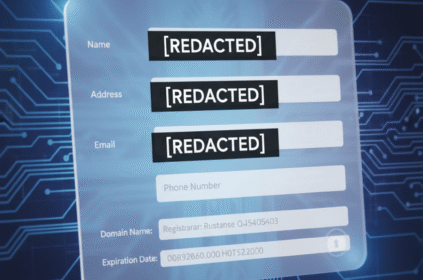
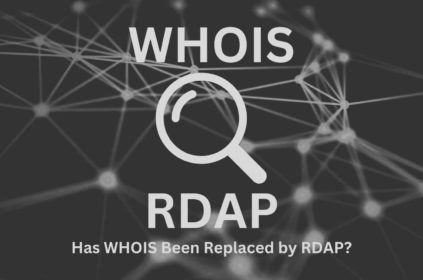
Furthermore, if you fail to complete this step, NIXI will suspend your domain immediately. They have also restricted WHOIS privacy services, meaning the era of anonymous Indian domains has effectively ended. You can find more details on the official NIXI portal.
Germany’s New Rules for .DE Domains
Similarly, Germany has introduced new legislation to clean up its digital space. Registrants of .DE domains must now provide verified telephone numbers and email addresses.
Specifically, the registry now uses automated risk assessments to flag suspicious data. If their system flags your registration as “high risk,” you must provide extra evidence to keep your site active. This proactive approach ensures that the German web remains one of the most trusted in Europe.
Surging Security with DNSSEC Adoption
Beyond identity checks, we are seeing a huge rise in DNSSEC adoption. Think of DNSSEC as a digital signature for your domain’s “directions.” In effect, it prevents “man-in-the-middle” attacks where hackers try to redirect your visitors to a fake site.
Consequently, many browsers and search engines now prioritize sites that use these extensions. Adopting DNSSEC is no longer just for tech experts; it is a vital part of the modern domain verification changes that keep the whole internet stable.
Final Thoughts
These domain verification changes represent a major shift toward a safer, more transparent web. While it takes a few extra minutes to verify your ID or set up a security key, the peace of mind is worth it. Don’t let your domain face suspension—stay ahead of the rules!
Have you completed your e-KYC yet? Share your experience with the new verification process in the comments below!
domain verification KYC NIXI WHOIS
Last modified: February 19, 2026